
Begin with the valley and its people
A visit to Shimshal is richer when time is set aside to understand village life and local customs. The valley has a strong connection to pastoral traditions and seasonal movement to high pastures. Ask permission before photographing people or private spaces, and follow the advice of local guides and hosts.
The high-pasture experience
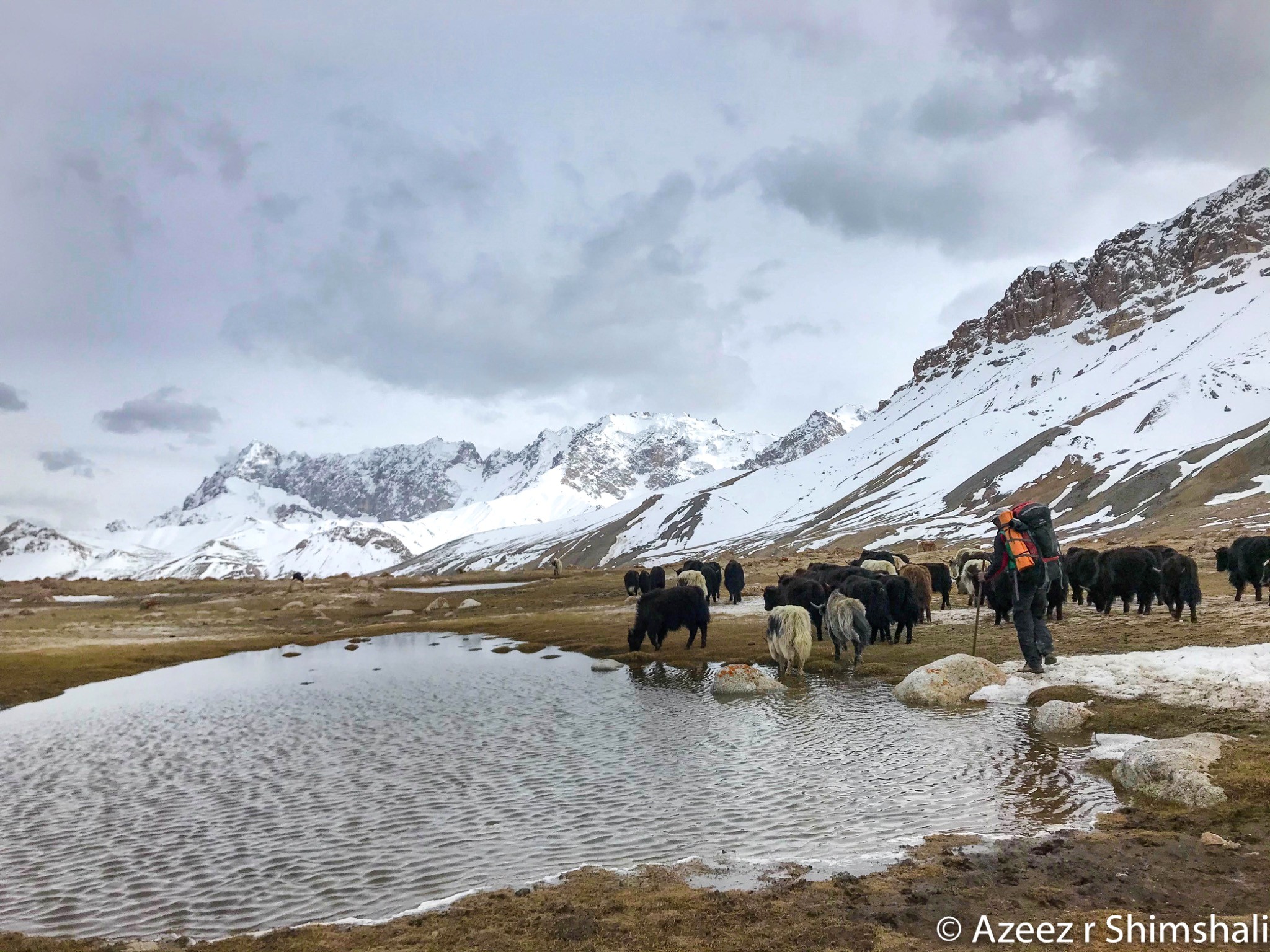
The route towards Shimshal Pass moves into open mountain country. Conditions underfoot, river crossings, camp locations and daily distances depend on weather and local assessments. A guide familiar with the valley is important for route finding, logistics and understanding the environment.
Prepare for a remote trek
Build endurance with regular hikes and practise walking with the daypack you plan to use. Bring broken-in footwear, layered clothing, sun protection and personal essentials. Confirm the equipment list, porter allowance, accommodation and meal arrangements with your operator before departure.
Choose timing carefully
Trekking access is seasonal and depends on snow, weather and pasture conditions. Do not rely on a fixed calendar date without checking locally. Your itinerary may need to shift to suit conditions, and a flexible schedule is especially valuable in remote mountain areas.
Travel respectfully
Support local services, respect grazing areas and community rules, take all waste back out and avoid disturbing livestock. The people of Shimshal are hosts and custodians of this landscape; respectful travel helps protect the relationship between visitors and the valley.
Shimshal Pass offers more than a high mountain route. It brings together remote scenery and living Wakhi heritage. With local leadership, realistic preparation and respect for the valley, the trek can become a meaningful journey into the Karakoram.
Planning your journey?
Explore our guided journeys and ask Karakoram Voyages about route details, dates, local logistics and a trip proposal tailored to your interests.
Enquire about a Pakistan journey ↗ Browse tours